Audio visual technology: Definition, Basics, Advances
Quick Summary: Audio-visual (AV) technology has evolved from simple synchronization to complex, software-integrated systems. In 2026, the focus is on hybrid collaboration environments and high-resolution 4K60 workflows, ensuring a consistent and high-quality experience for both remote and in-person participants.
Audio-visual technology is all around us. From our entertainment systems to our workplaces, AV systems really do make the world go round; but what exactly is it, and what’s next for the AV industry?
If you’re unsure how to answer either of those questions, you’ve come to the right place. We appreciate how important it is to be clued up on all things AV before you invest in any expensive systems. So, we’ve created this guide to AV technology to help you understand exactly what you’re dealing with before you buy.
In this article, we discuss AV technology alongside its most basic equipment, including a guide to the future of the AV industry and how you can select the right systems for your project.
What is audio-visual technology?
So, what is AV technology? Putting it simply, audio-visual technology works in synchronization to broadcast visual and auditory content. These systems essentially work together to ensure that the sound matches the image and the image matches the sound.
The most common types of audio-visual technology include radio, motion pictures, visual displays, projectors, and more!
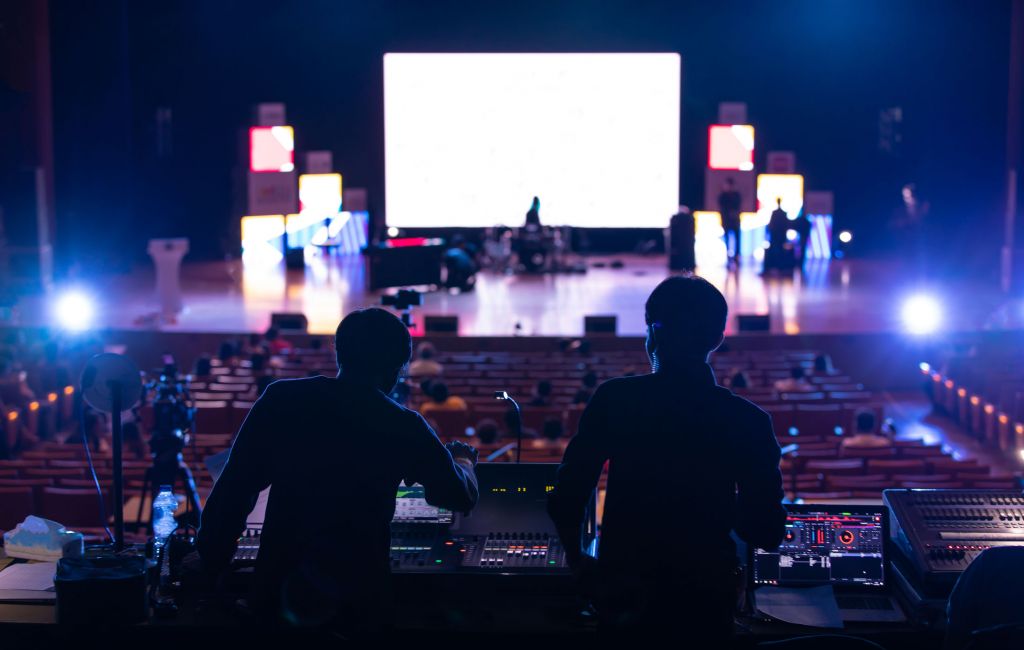
AV basics: What does audio-visual technology consist of?
Before we go any further, it’s important to quickly establish the key features of audio-visual technology. Here are three examples:
Lighting
Lighting isn’t usually our first thought when we ponder AV technology, but it’s still a crucial feature of many AV projects. Lighting helps us establish the right atmosphere and gives our events a professional touch.
With the help of AV systems, users can turn lights on and off, coordinate them, change their color, and more!

Visual displays
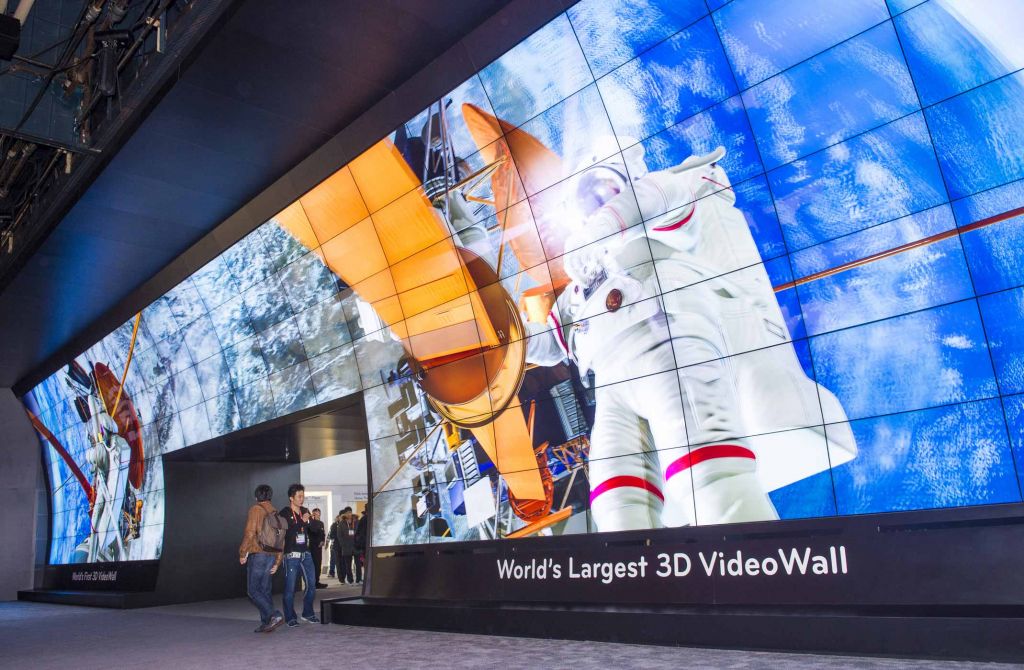
Visual displays are very important to a successful AV project. As with most AV technology, visual displays are dynamic and take on many different forms. Take a video wall, for example, this technology works in partnership with controllers, matrix switchers, and processors to create engaging displays that inform and inspire.
With the help of a video wall, users can display several snippets of information from a single source, making it a key weapon in the ever-present bid to improve communication.
Modern displays in 2026 increasingly rely on Direct View LED (dvLED) technology. These work with advanced video wall controllers and matrix switchers to manage high-bandwidth video signals (such as 4K60) in control rooms and corporate environments.
Speakers
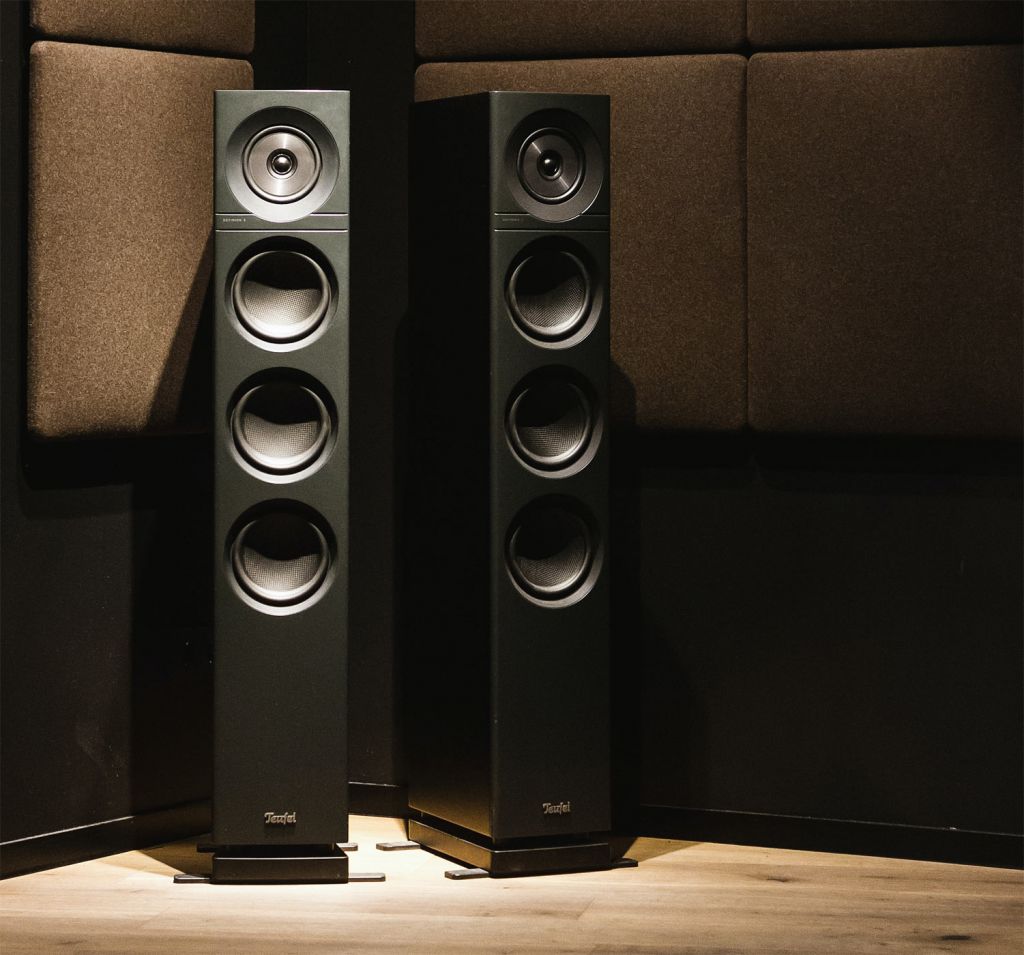
To help us project our sound and immerse our audience in our AV experience, speakers are absolutely essential. This technology works in partnership with microphones and digital input signals to broadcast sound to accompany visual aids.
What are the advances in audio-visual technology for different industries?
Audio-visual technology is so versatile and is making huge waves across several industries. To help you navigate this, here’s a quick guide to the latest advancements in AV technology:
Video conferencing
With studies from the US showing that only just 4% of businesses are making their employees go back to full-time office work, it's no wonder that the demand for better video conferencing solutions has surged.
Video conferencing is likely to take on a different identity in the coming years as we navigate this new approach. Several industries have now identified that returning to the office full-time is neither necessary nor practical for many people, so video conferencing is a must to ensure that we stay in touch and engaged with each other.
Video conferencing is transforming into a professional collaboration service, allowing businesses to connect with its employees and partners no matter where they are. Companies are likely to work on revitalizing their approach to video conferencing and collaborative workspaces, making office work a thing of the past!
By 2026, video conferencing has evolved into advanced hybrid collaboration. It’s no longer just about visibility, but about improving meeting quality using technologies such as auto-framing, speaker tracking, and spatial audio to better connect remote and in-room participants.

Online events
It's not a secret that the last few years have meant that the majority of us have opted for a recluse lifestyle, and while this has had a knock-on effect on the events industry, it’s meant that the industry now has headroom to adapt and flourish. Online events have become a staple since the pandemic, allowing artists to take their events into their own hands and stream content on virtual platforms. From concerts on Fortnite to live theater on our phone screens, online events are entering a new phase.
This means we no longer have to queue for long hours for huge stadium tours that we can now enjoy from the comfort of our own homes. While this is unlikely to overtake live events, this is still an example of how companies and artists are using AV technology to make their events more accessible to the public.
In 2026, online events have matured into hybrid formats, combining physical venues with high-quality live streaming and real-time audience interaction.

Virtual/Augmented reality
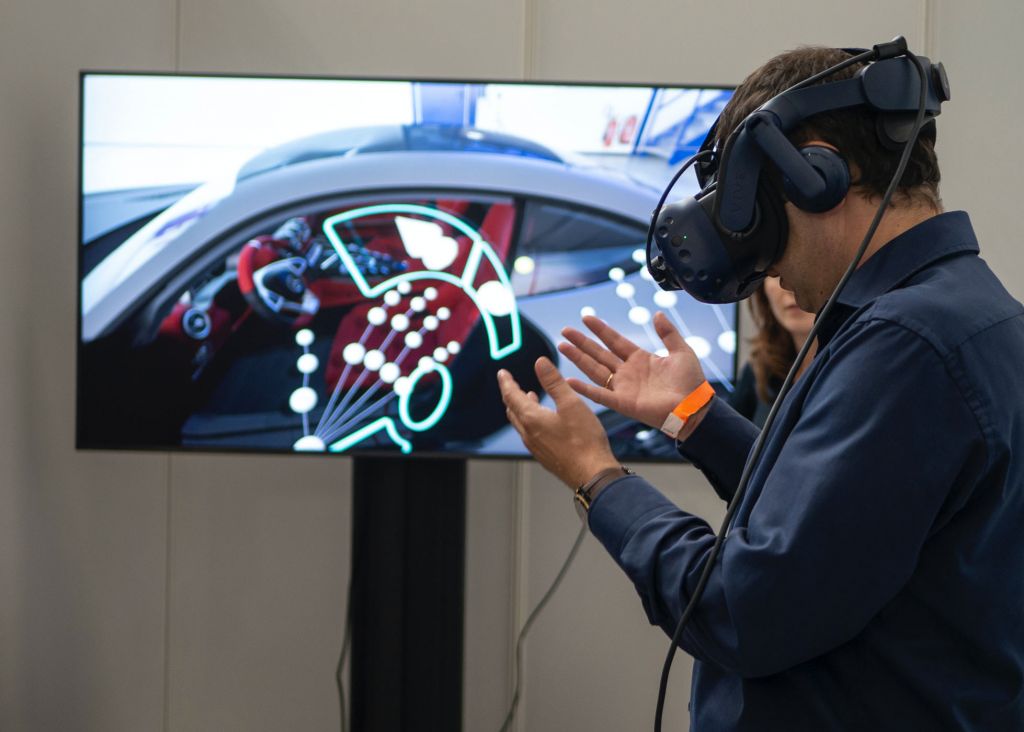
We’re beginning to see a shift in the AV sphere, with big businesses taking a leap into the fantastical. Believe it or not, with the power of AV technology, you can now step into the world of make-believe and enter what is known as ‘virtual reality.’
Sophisticated headgear and earpieces now allow you to fully immerse yourself into another world, allowing you to see, hear and feel what is not really there. Similar to this, major tech companies are also making huge waves in augmented reality, allowing us to step into any scene in the real world without moving.
With the demand for VR on the rise, huge gaming and entertainment companies are beginning to shift their business models to accommodate the surge in demand. This means we could be on the verge of seeing audio-visual solutions take on an entirely new identity.
How to choose between different audio-visual technology solutions?
We know that making a decision between the different audio-visual technologies can feel difficult, especially when each solution offers users different experiences. To help you make your decision, we’ve compiled this step-by-step guide that you can follow when choosing the right technology for your project:
1. Think about your event and its uses
AV technology isn’t a one-size-fits-all system, and each project requires different systems and technologies to reap the best reward. So, before you add items to your shopping cart, you should consider what your event or systems will need.
Ask yourself some of these questions:
“How many people will see my presentation?”
“How complex do I want this system to be?”
“What are the overall goals of my presentation?”
“What future uses will I need from my AV technology?”
The answers to these questions will help you decide on the level of sophistication you require from your AV solutions.
2. Think about your budget
Technology can be expensive, so it's important to not simply buy into any hype or follow trends. Your project will have its own budget, so you need to think about how much you’re willing to spend on AV equipment. Your budget will be determined by the size of your project, how long you need it to operate, and the size of your audience.
3. What are your capabilities?
While AV systems offer you a single simple interface to work from, your decision should also be based on your own AV technical skills. This is because investing in complicated equipment that you struggle to operate may harm your production. Therefore, you should make your decision based on what you can personally handle and operate.
There you have it! Your guide to all things AV technology. Make sure you check out the rest of Dexon’s blog for all the insider tips on AV technology and browse through our products to see if we can optimize your AV setup today!
FAQ: Audio-Visual Technology in 2026
Q: What is the most significant AV trend in 2026?
A: The dominant trend is AV/IT convergence via AV-over-IP. AV systems are now integrated with IT infrastructure, using protocols like SDVoE or NDI to distribute high-quality content over standard networks.
Q: How is automation currently used in professional AV hardware?
A: Automation is actively used for real-time image processing, auto-framing, and intelligent source switching. Modern processors handle these tasks to make complex multi-source environments easier to operate without sacrificing reliability.
Q: Is 4K60 now the standard for professional AV projects?
A: Yes, 4K at 60Hz is the established baseline for professional environments in 2026. While 1080p remains common for standard signage, 4K60 offers the necessary clarity and fluid motion required for modern data-heavy presentations and mission-critical monitoring.
Final Thoughts
In 2026, AV technology is no longer just a collection of tools, but the very infrastructure that enables global collaboration and data-driven decision-making. By choosing scalable, high-resolution solutions and staying updated on the latest integration trends, you can ensure your project remains resilient and future-proof in an increasingly digital world.